Where to Start Your Wedding Photographer Search
If you have recently started planning your wedding, you know it can be a daunting, overwhelming task, especially if you have chosen to do so without a full service professional planner. In addition, an oversaturated industry means couples are spoiled for choices in every vendor category. Understandably, it is difficult to know where to start. The good news is that there is a way through all the noise and I hope to help you cut through it with a few thoughtful tips gathered after five years of experience.
So many of my couples said that they struggled when they began selecting vendors. Sometimes, this struggle resulted in hiring vendors for the wrong reasons who did not actually align with their wedding vision. I care so much about preserving the integrity of your wedding vision that this broke my heart to hear. After further investigation, it was clear that their disappointment stemmed from not knowing which indicators to look for when hiring vendors. A few of my closest friends have been unsatisfied with their photos because they struggled to identify key indicators about that photographer’s style. In an attempt to help lovely couples avoid this fate, let’s break through the noise a bit and highlight a few things that are important to notice when hiring a wedding photographer.
I will preface this by saying there are many more things to keep in mind during this process, which I plan to address in future posts, but these are just a few of the very first things to try and decide before you even begin your search.
Become familiar with the style terms “documentary” and “editorial”.
You may be familiar with these phrases already, but I’d like to clarify one point that I think often gets overlooked. Typically, these terms largely only apply to the portraiture style of the photographer. All weddings are, by nature, a documentary style event. It would be pretty silly if a photographer were standing and directing everyone on how to pose and look during every single moment of a wedding. Every good wedding photographer understands this and is skilled at documenting candid moments throughout the wedding day, especially during times like getting ready, the ceremony, cocktail hour, and the reception. The foundation of all wedding photography is documentary photojournalism.
Now, because the foundational goal of wedding photography is the same, where photographers can really differ is their approach to portraiture sessions. In other words, the most obvious (but by no means the only) area where a photographer’s signature style shines through the most is the couple’s and group portraits. Here is where you will want to pay especially close attention to the terms “documentary” and “editorial”.
Documentary Style
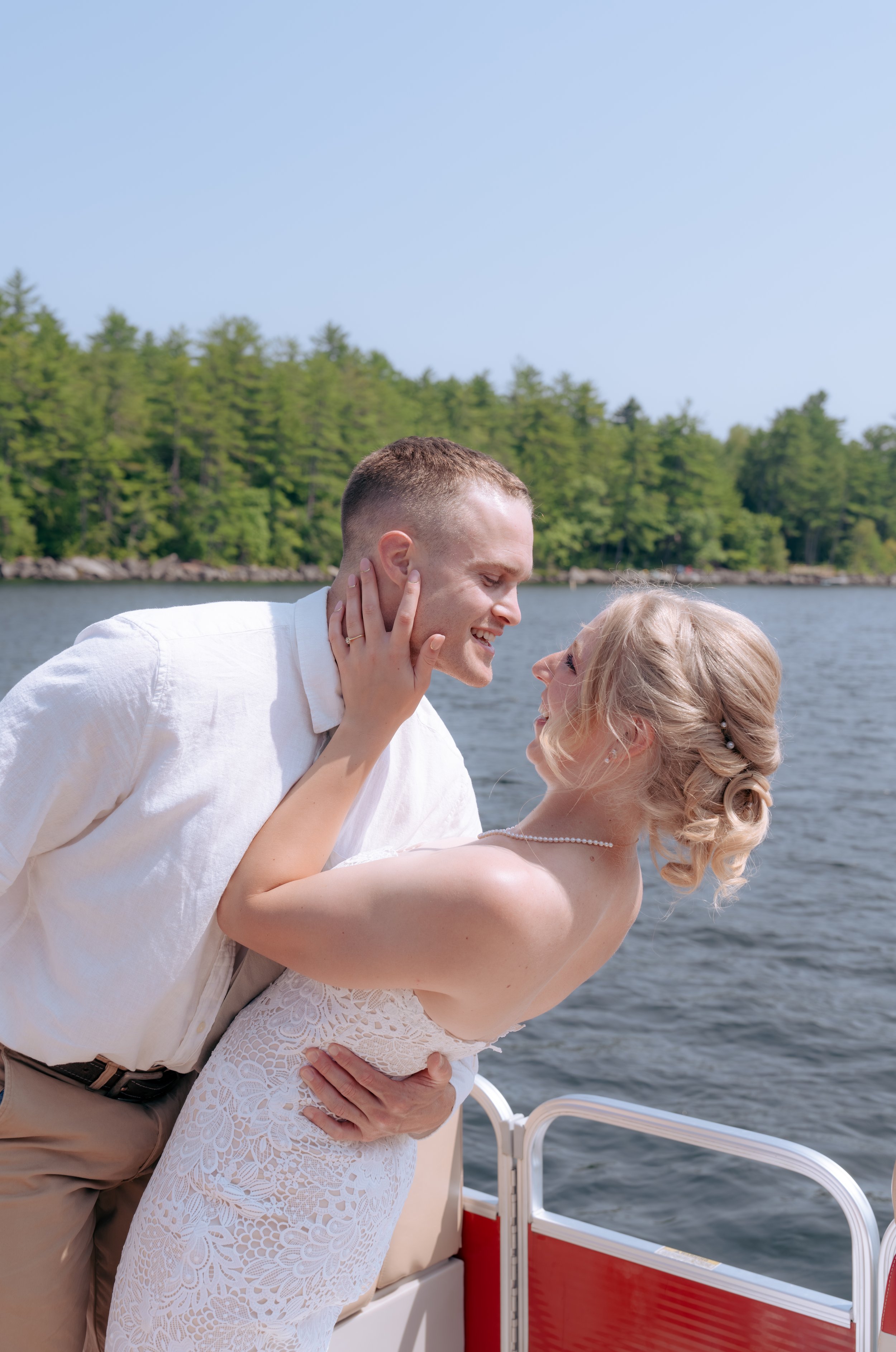
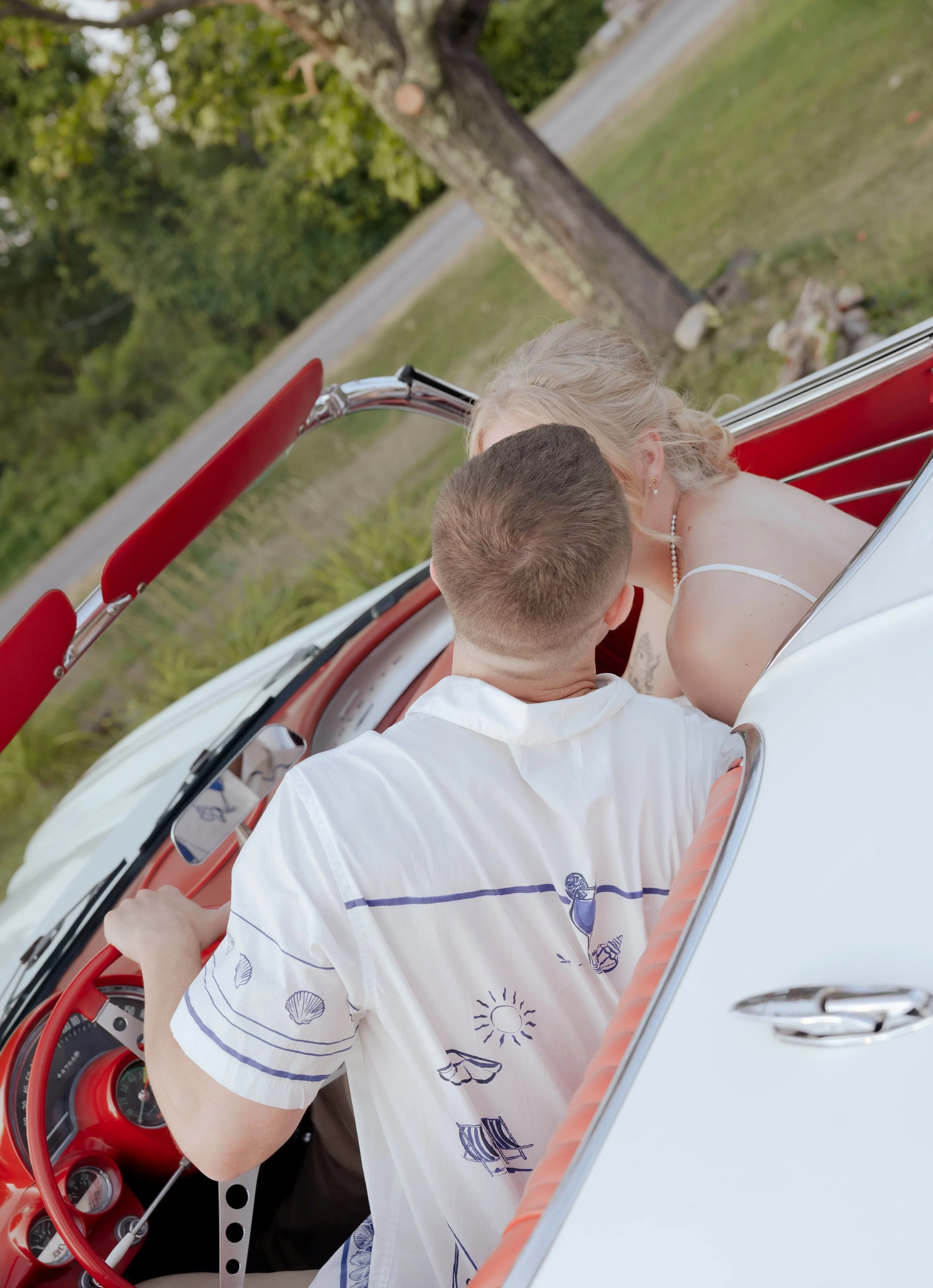
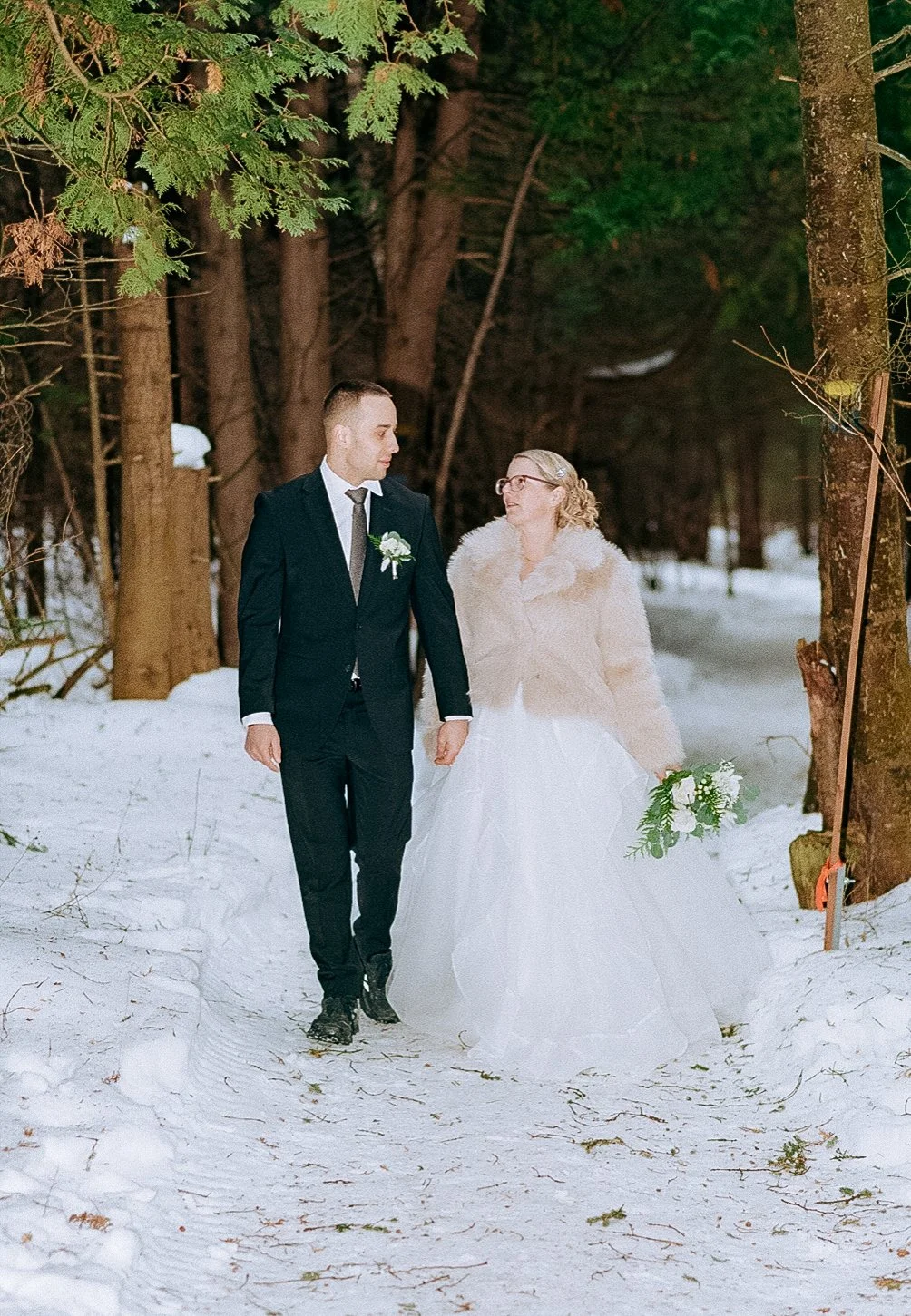
The first, documentary style, refers to a style of photography based on capturing what is unfolding naturally just as it is. Think fly on the wall photography. For portraiture, this means little to no direction, posing cues, or intervention. Often, documentary style photographers will capture couples doing something just as they normally would. For example, sharing a slice of pizza after their ceremony on the streets of New York City or taking a stroll through the garden before they walk down the aisle. Capturing the couple from afar in their natural state with one another.
Documentary style photographers are perfect for couples who strongly dislike spending a lot of time in front of the camera or having the feeling that a camera is there. This style of photography allows you to completely immerse yourself in the moments of your wedding day while almost completely forgetting the camera is even there. If you’re the type that would rather prioritize candid moments during every phase of your wedding, this is the type of photographer for you.
Below you can see examples of documentary style portraiture.
Editorial Style
The second style, editorial, is a much more structured approach to photography. It gets its name from fashion editorial journalism. Think articles from publications like Vogue, W, and Harper’s Bazaar. Yes, these magazines publish more than just fashion advertisements and pretty pictures. They feature gripping, thought-provoking, and innovative stories accompanied by sharp writing and evocative photography. Photographs are chosen for their ability to visually convey the ideas in the written article. Essentially, editorial is the art of storytelling through visually striking images.
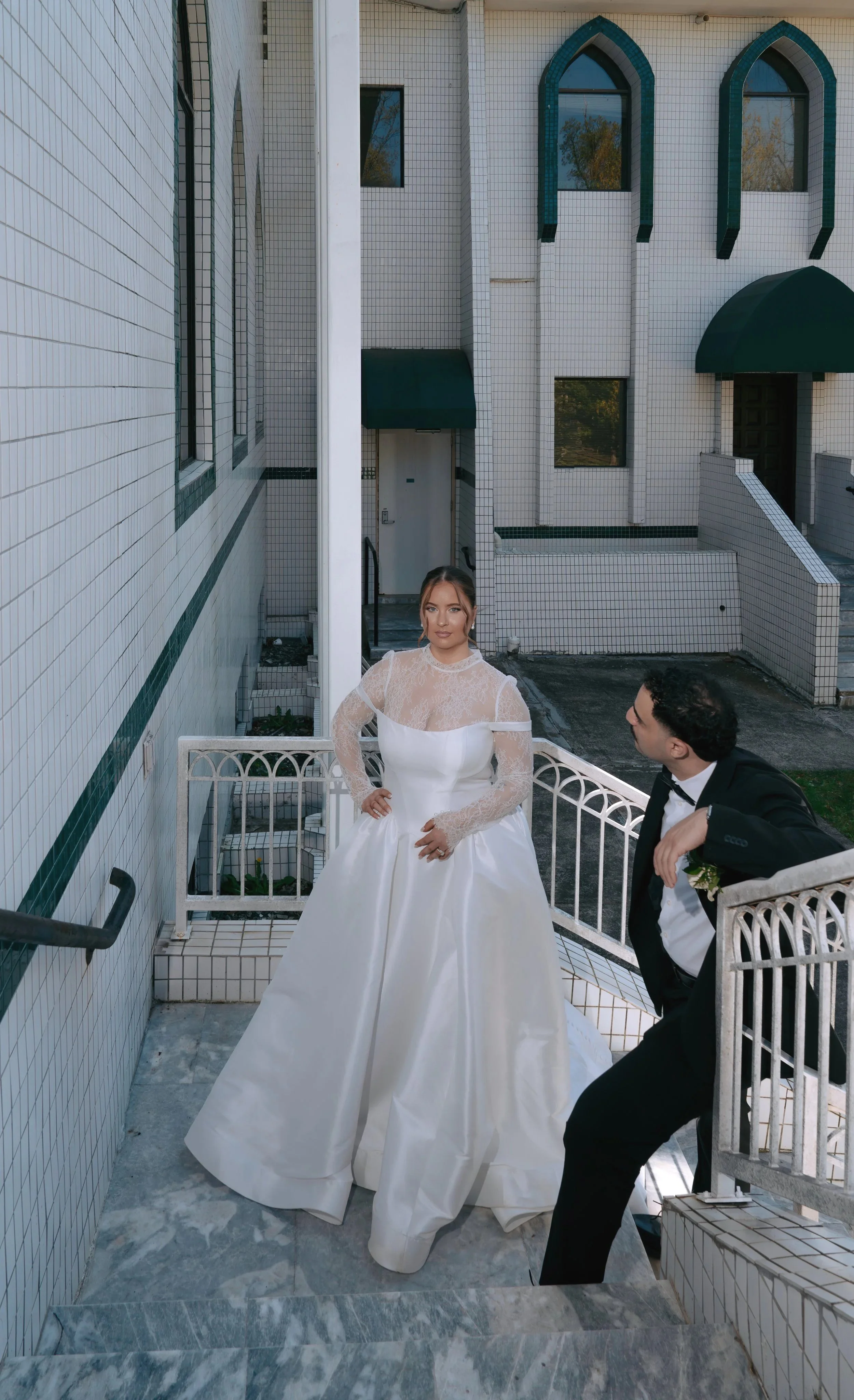
In wedding photography, editorial photographers are more apt to give slight direction on body positioning, angles, and aesthetics to create photographs that narrate the story with style. Here, couples become a part of the photographer’s canvas as a whole and shine through as integral parts of an artistic vision that often draws inspiration from other art forms and the couples themselves. Unique lighting, compositions (how subjects, objects, and settings are arranged in a photo), and photographic techniques are thoughtfully used to glamorize the love story. If you want to relate the narrative of your wedding day in a manner that celebrates you as the showstopping protagonists, this is the approach for you. Keep in mind, the bulk of your wedding day is still built on candid documentation, but for your portrait sessions the direction will be more clear in order to compose photos that hold a structured artistic vision.
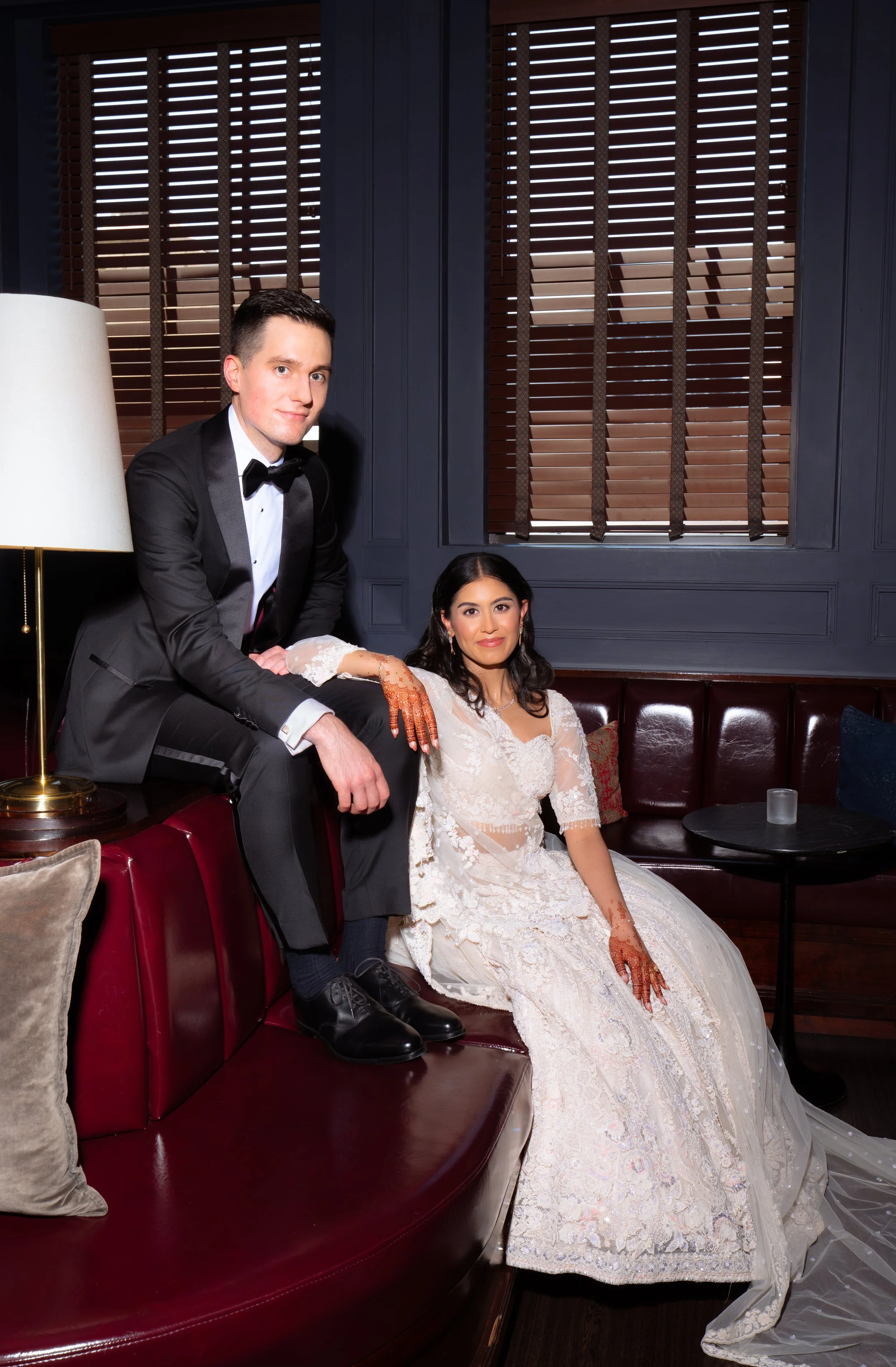
Below are a few examples of group and couple’s portraits in an editorial style.
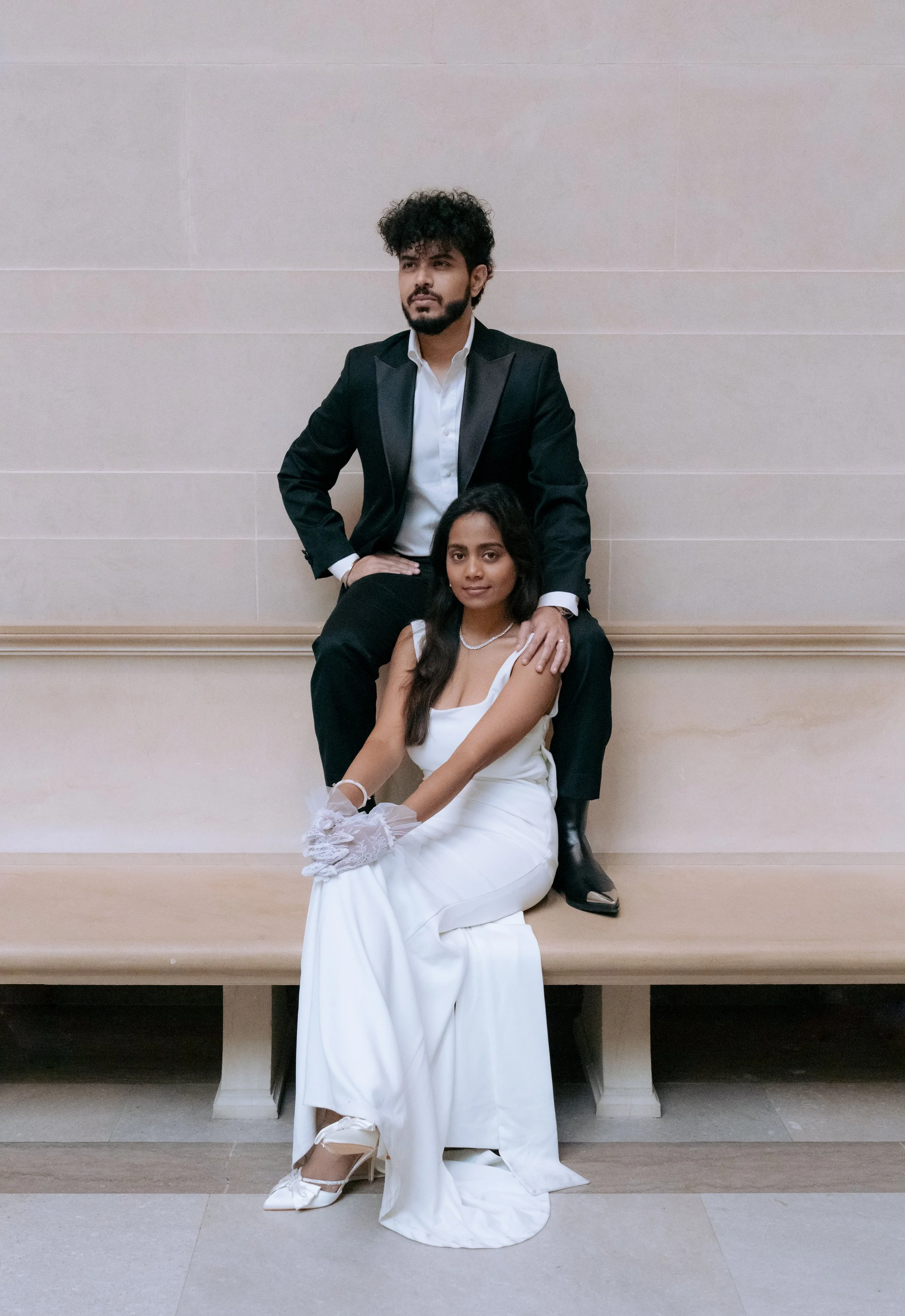
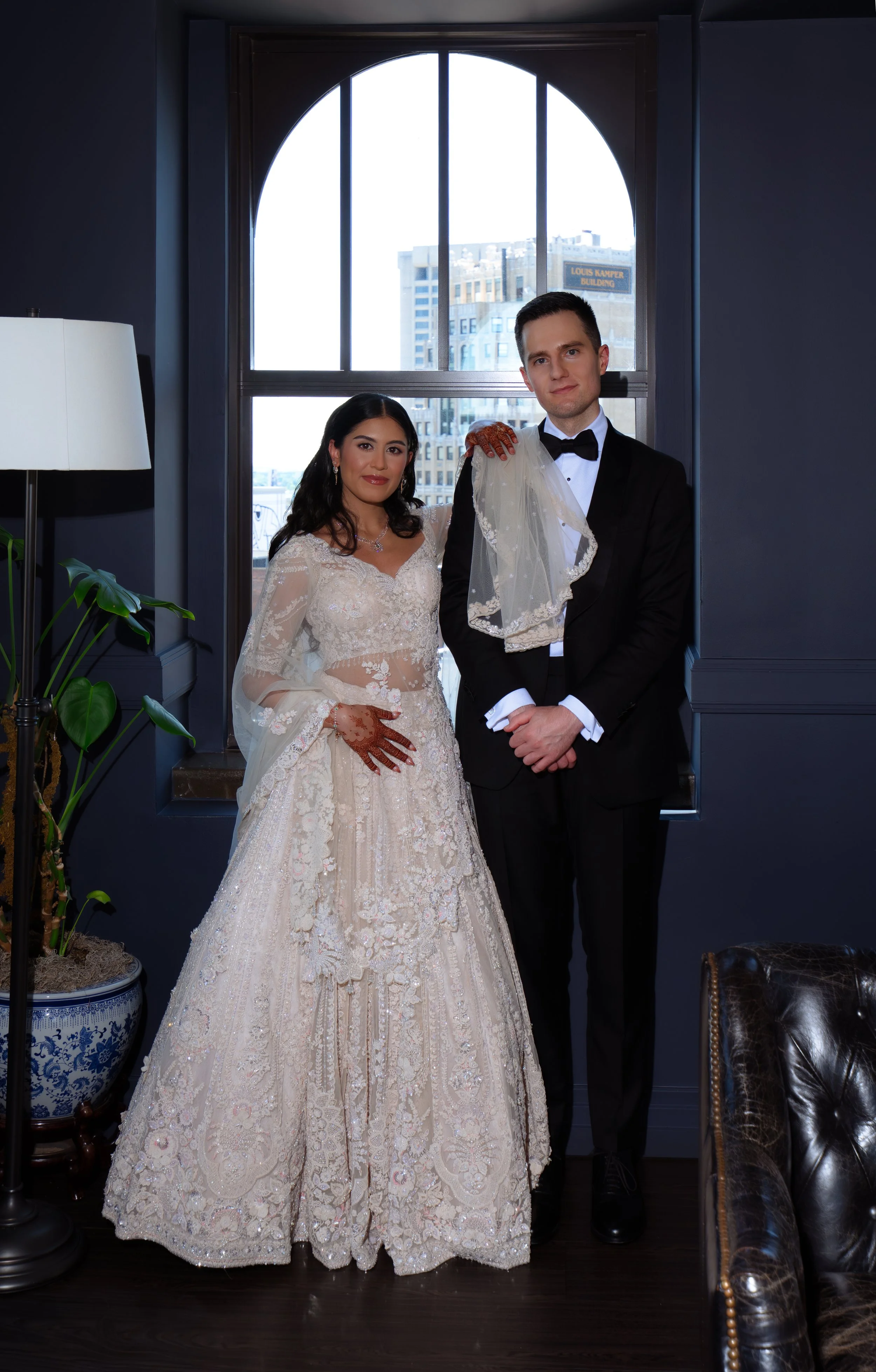
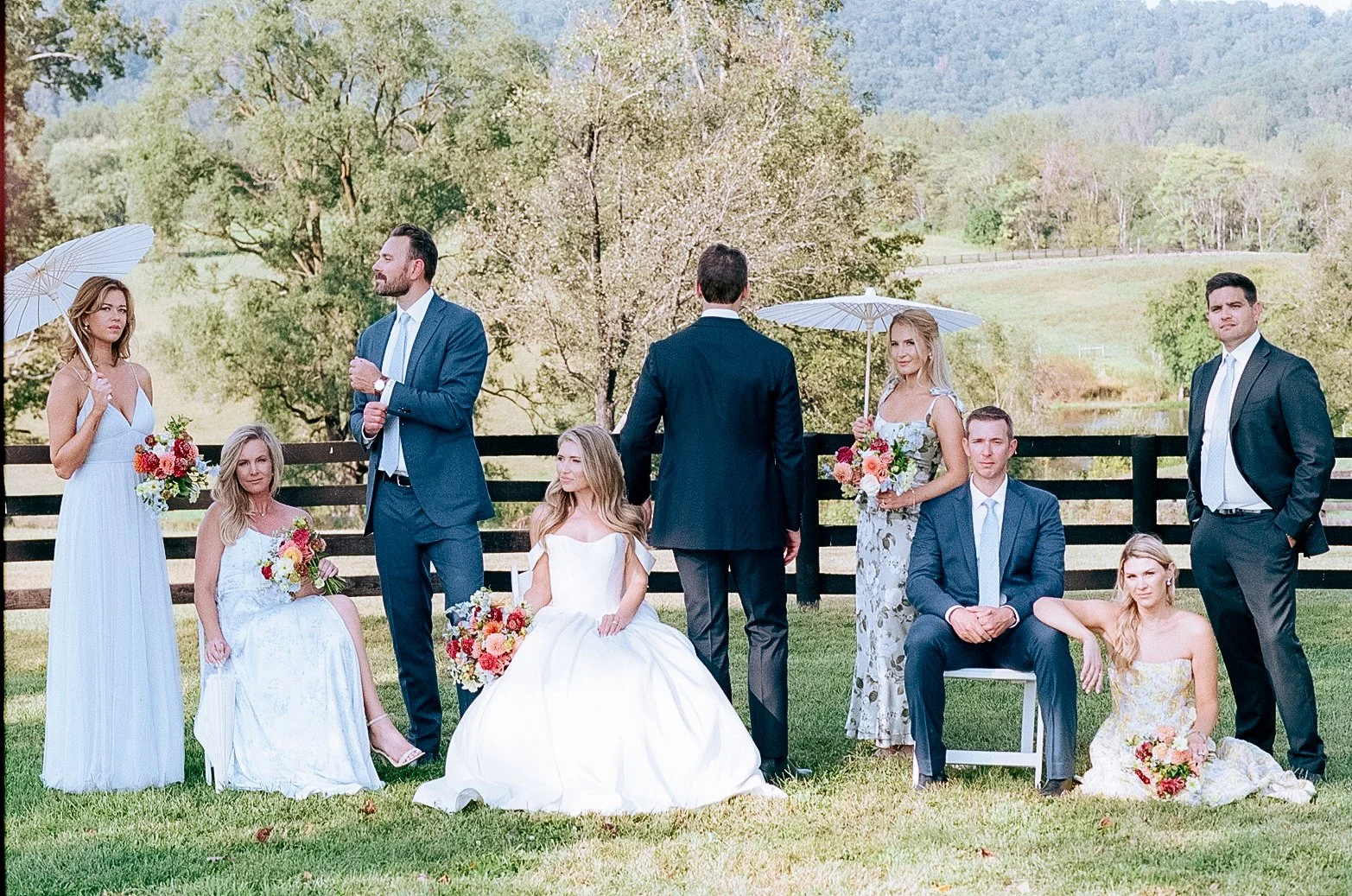
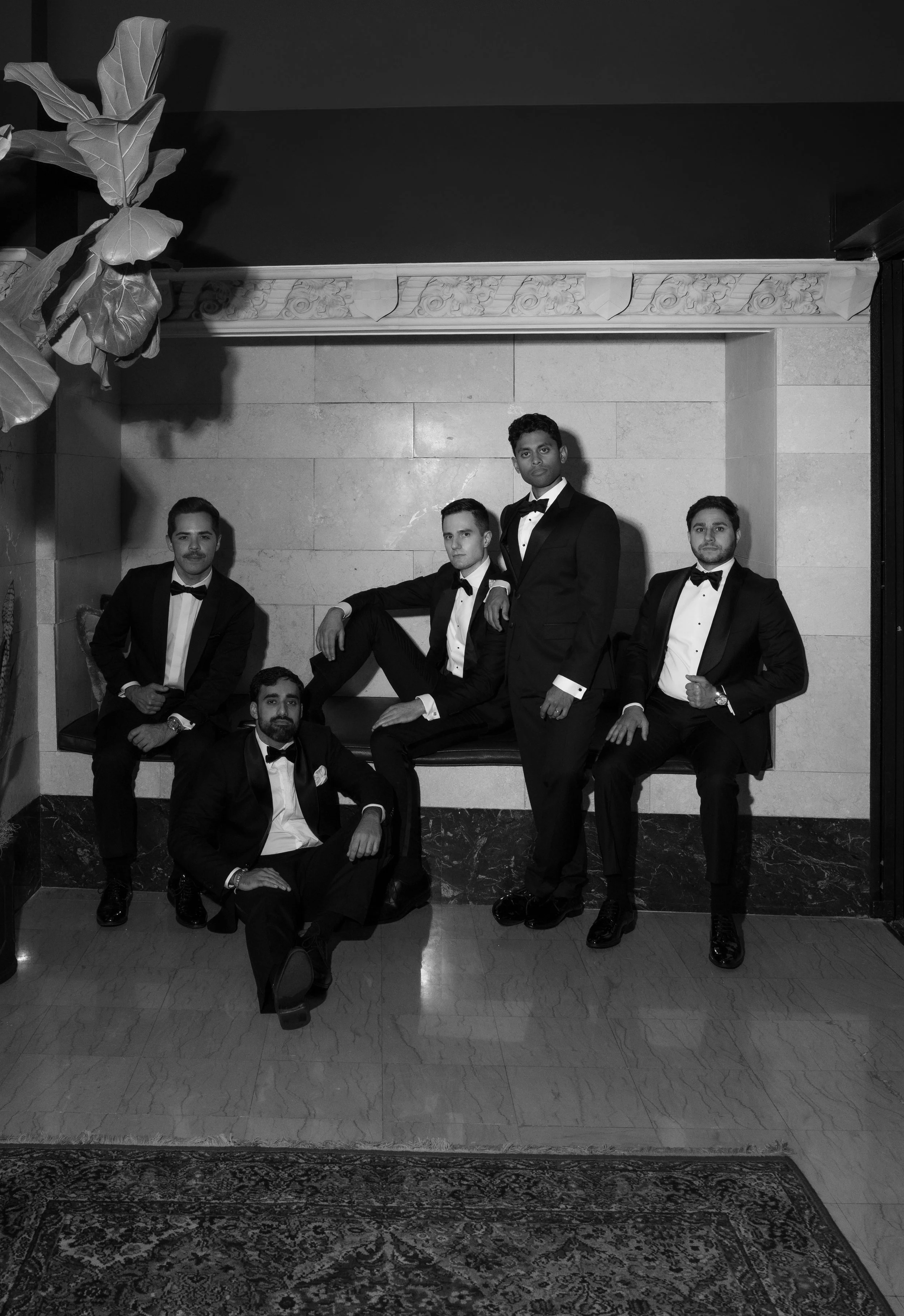
At this point I will mention that these terms do not denote a certain editing style or color profile. Editorial and documentary are terms that refer to the photographer’s work style and photo composition. Editing style is a topic worthy of another post but for the purposes of beginning your search, you just need to figure out which kind of couple you are in regards to photographic approach. Once you decide how much time you want to spend in front of the camera, how you want your photographer to interact with you during portraits, and the compositional style of your photos, you’ll be ready to know if you want to go with a documentary or editorial style photographer.
Hiring a Photo Company vs. An Independent Artist
Six years ago, I got my start in the wedding industry by working for wedding photography companies. It was a baptism by fire of sorts, but in hindsight I’m incredibly grateful because it gave me valuable insight into the differences between companies and what it means to be an independent artist. The difference basically comes down to how much care and attention you want from your vendors. There are wedding vendors and then there are wedding friendors. I have both feet set firmly in the friendor camp. I plan on writing a separate post about this subject in depth, but for now, we can discuss the basics to help get you started on your search.
Wedding photo companies often offer lower rates and packages that also include video. Booking through a company is a good choice for you if you have other aspects of your wedding you would like to prioritize. These companies will create a basic timeline for your wedding day and give photographers and videographers a basic shot list of all the most important aspects of your wedding day to make sure they are captured. They are good at making sure all the basics and necessary details are covered and there will be enough photographers and videographers to capture your whole wedding day. A great option if you really want to spend a bigger portion of your budget on catering, floral installations, or other special interests.
On the other hand, hiring an independent artist can be a bit more pricey, but not always. Small business owners will have a more personal approach to helping you craft your wedding day and a more distinctive voice in their photography. They are a quality over quantity option and their personal livelihood depends on their couples’ satisfaction so their attention to detail is generally more vigilant. You will also get to know your wedding photographer on a deeper level and create a better relationship with them when they are a small business owner, leading to more comfort in front of their lens. Many also offer video services or have a great network of other business owners who do videography. Small businesses are a great option if you want to devote a larger portion of your budget to photography that has a distinctive style and a more personalized approach.
Signature Styles That Match Your Vision
A very important preface for this section is that a photographer worth their salt is versatile and endlessly inspired by a myriad of styles. They can also adapt to the style of the event they are photographing. For example, they can honor both a dark castle wedding and a light coastal ceremony with the same signature expertise while doing justice to the mood of each event. While signature editing styles are definitely a thing, good photographers know how to adapt to the atmosphere of different events. So, just because a photographer has a portfolio with a lot of light and airy colors, does not mean they are incapable of photographing a more muted event.
For the most basic purposes of beginning your search, decide which kinds of colors you like in photographs. Although Pinterest can be a very misleading way to try and zero in your taste in wedding photography, we can finesse it just a little. Compile a mood board of wedding photos you adore and then look at it with a discerning eye. This is where a lot of brides misstep. Picking the pretty photos and not knowing why you like them isn’t helpful to anyone. Decide why you chose the photos - are they all darker, with moody colors and harsh shadows? Or are they lighter with low contrast and bright highlights? What time of day does it look like the photo was taken? Do you like how the people are posed or does it just look good because the people are attractive? Is the overall vision for your wedding dark or light? Gritty or refined? Now look at the board as a whole and write down the differences and similarities you see amongst them. Once you have a list of overlapping commonalities, you’ll have a clearer picture of what you want from your wedding photos. Once you have these things figured out, it will make scrolling through endless photographer Instagram profiles much easier because you have specifics you’re looking for.
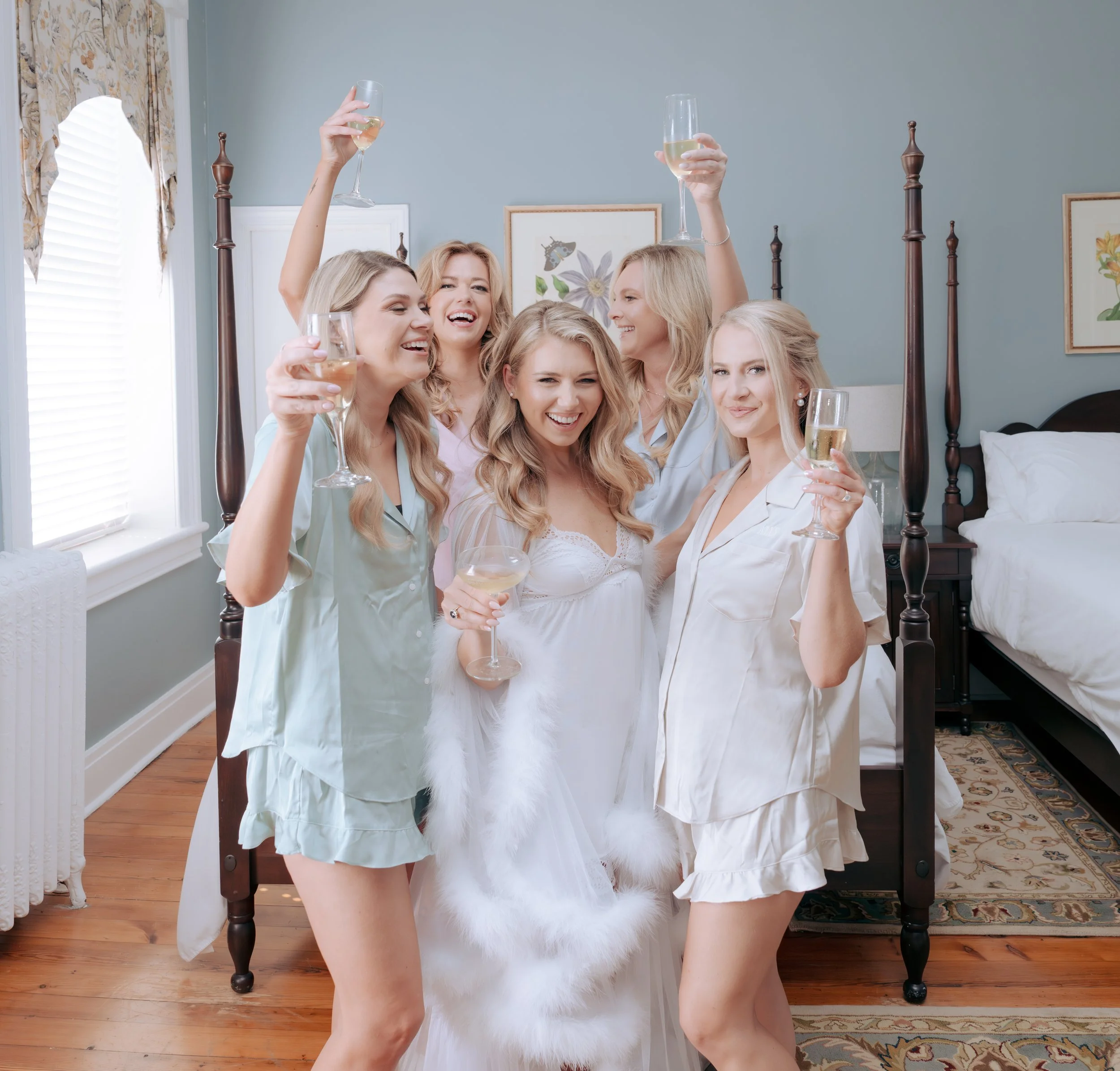
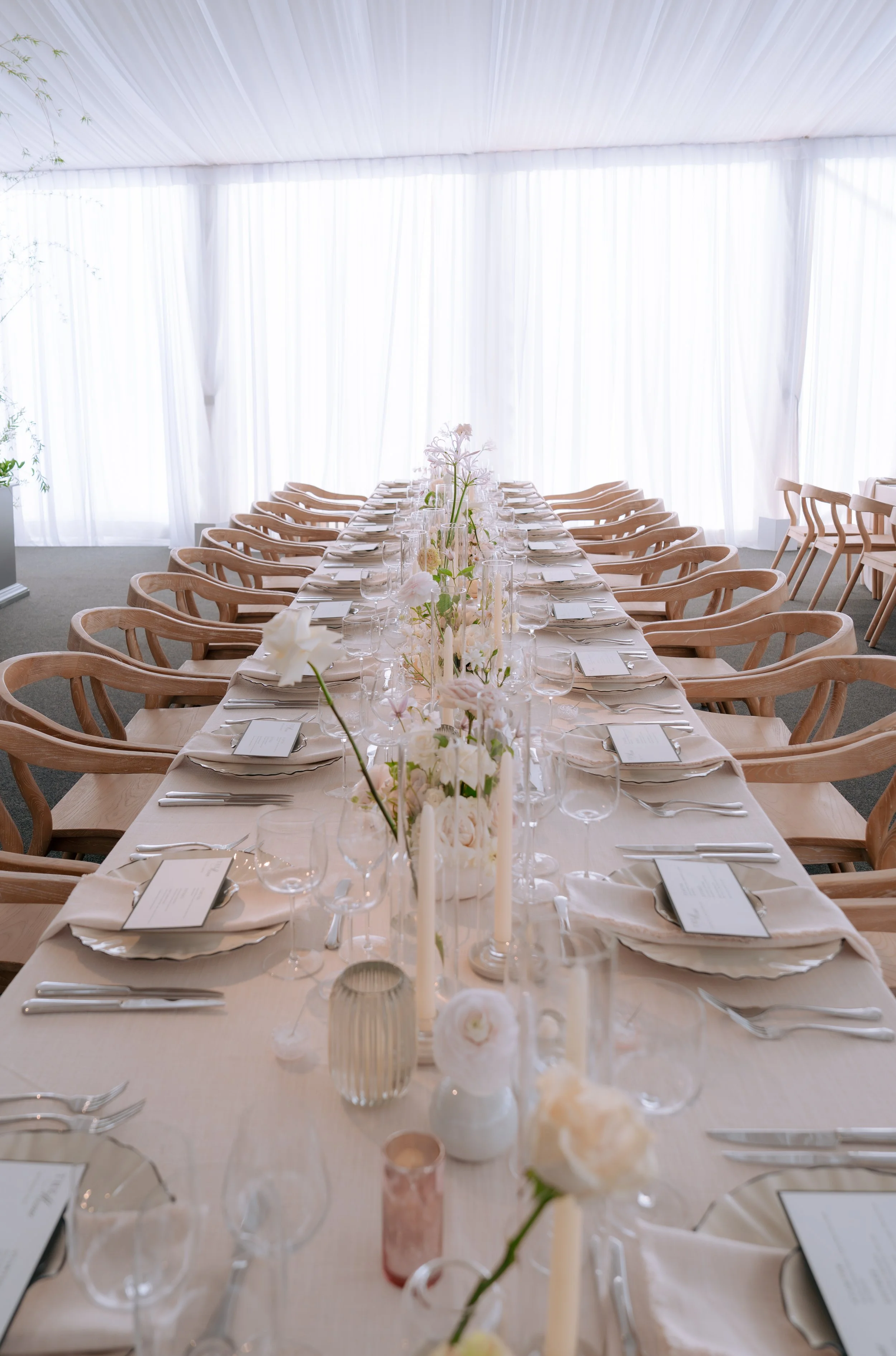
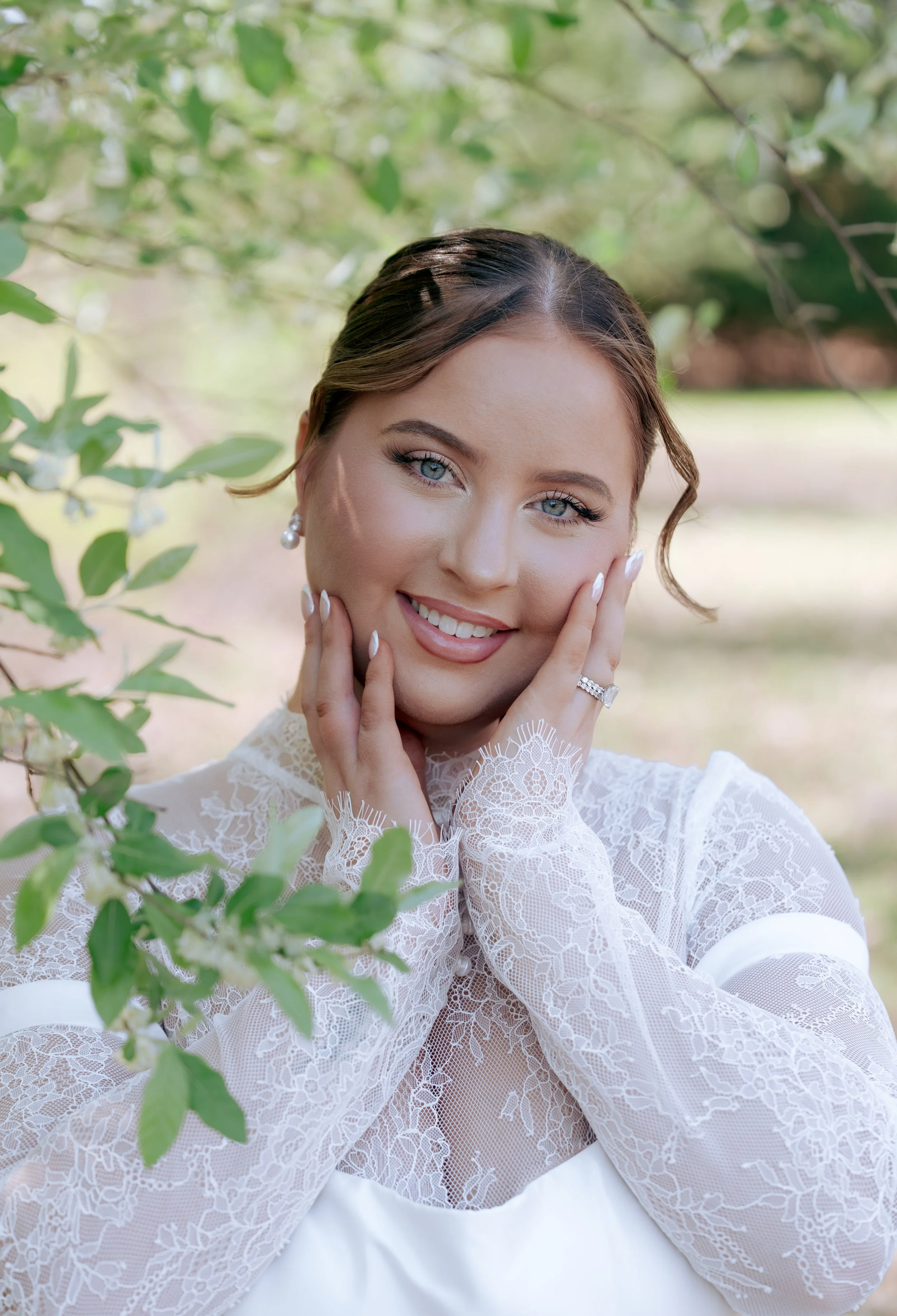
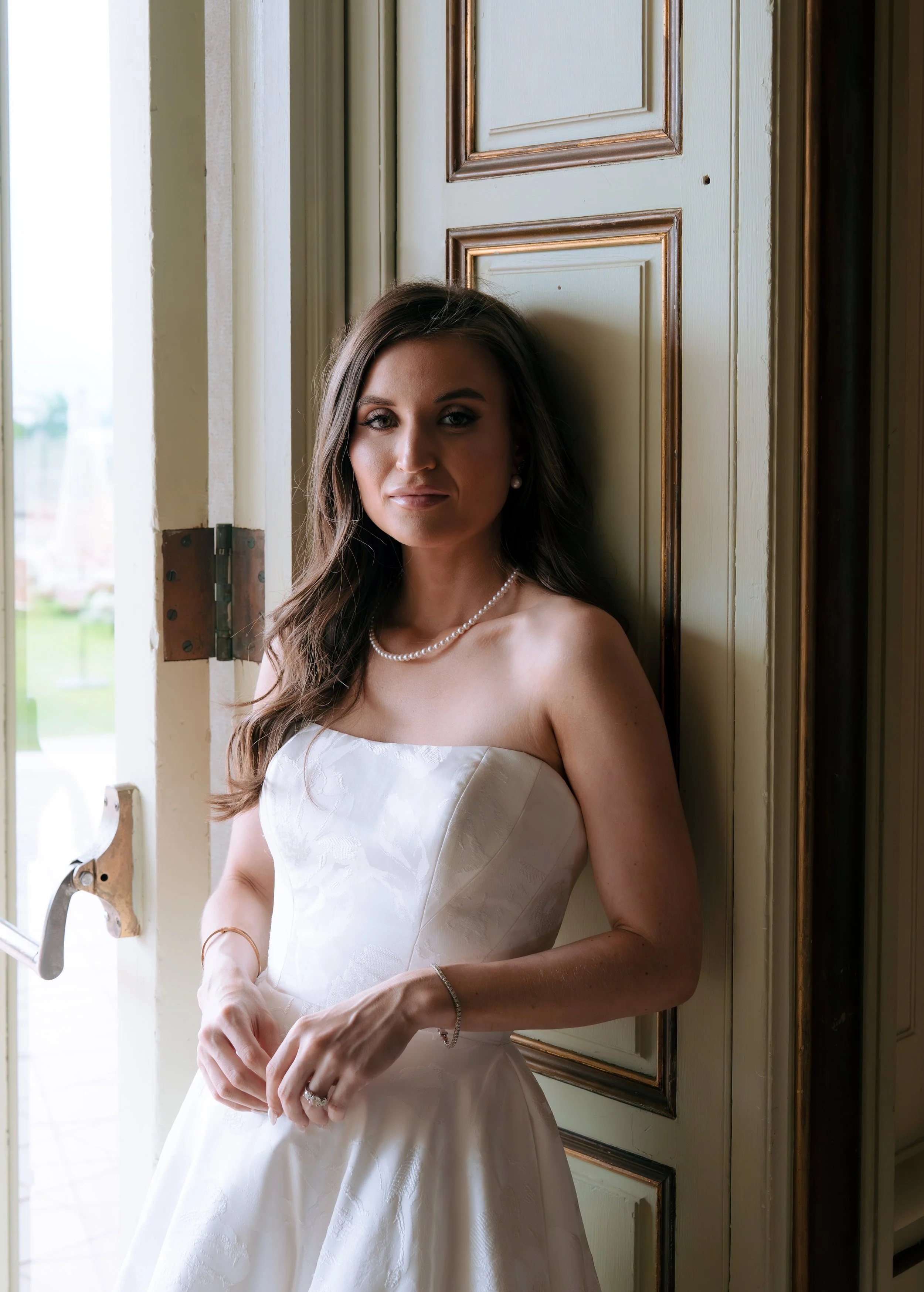
Many photographers, including myself, will tell you that they do stick to their signature style in general because it helps them produce their best work. Personally, my signature style is very light, airy, and low contrast with cool undertones of pink and blue. That is what the bulk of my work will look like unless the environment calls for something else. I love so many different styles and I personally think life would get a little boring constantly photographing the exact same types of weddings with precisely the same edits. Ultimately, a photographer’s signature style will be more evident in their compositions rather than their editing style. But both should be factors you consider before choosing a photographer.
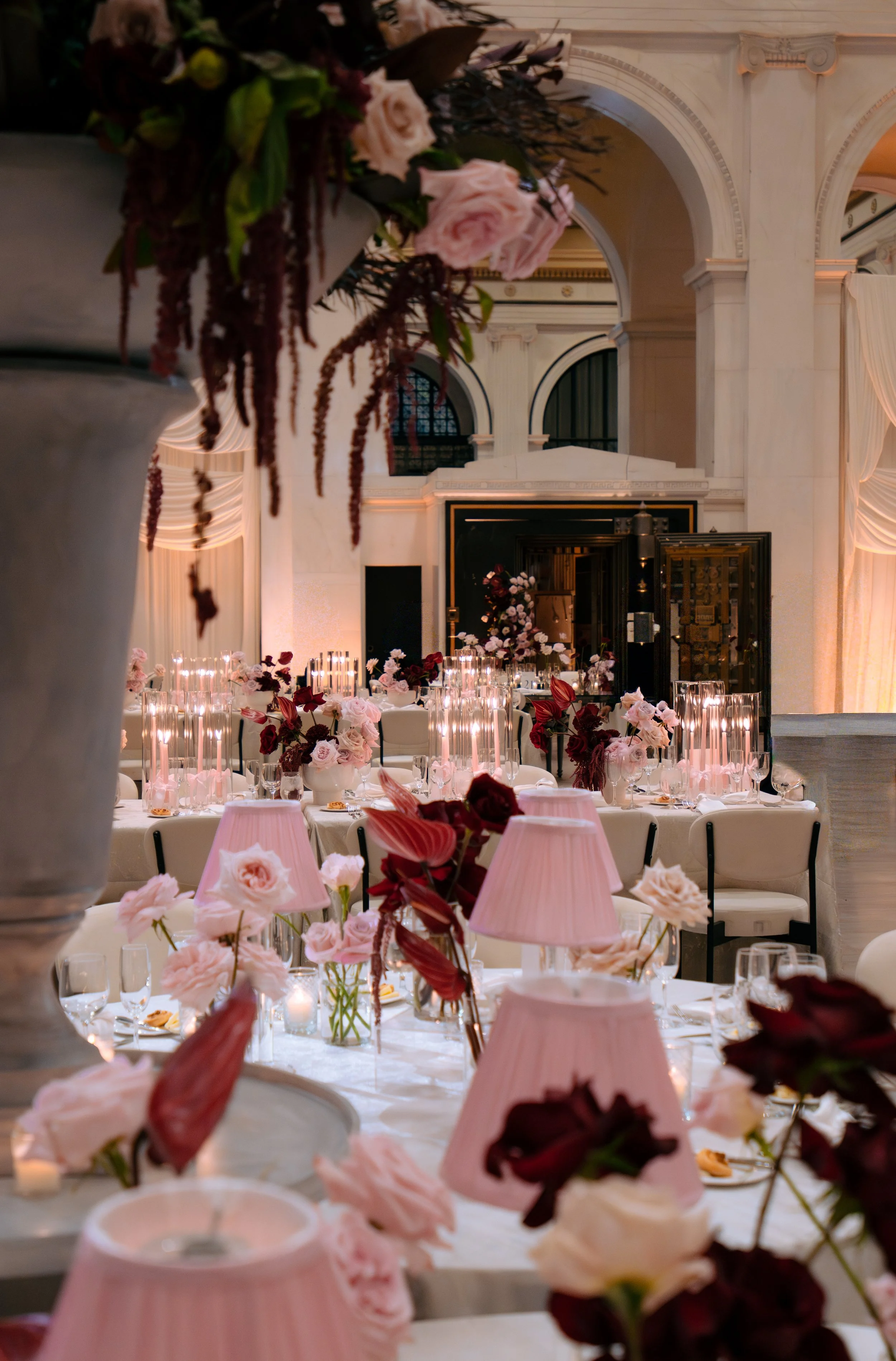
Below you can see the difference between my signature style in the first row and some events below that called for a different look.
Although I’ve discovered about ten new blog topics I would love to explore during the writing of this one, I think this is a good place to leave this particular post. It is meant to serve as guidance for the very beginning of your wedding photographer search and give you some important factors to consider as a good starting point.
If I did my job well, some of you found this helpful! I look forward to exploring more aspects of this life that I’m so passionate about in more long form posts. Hopefully they will expand your understanding further in the art of photography.