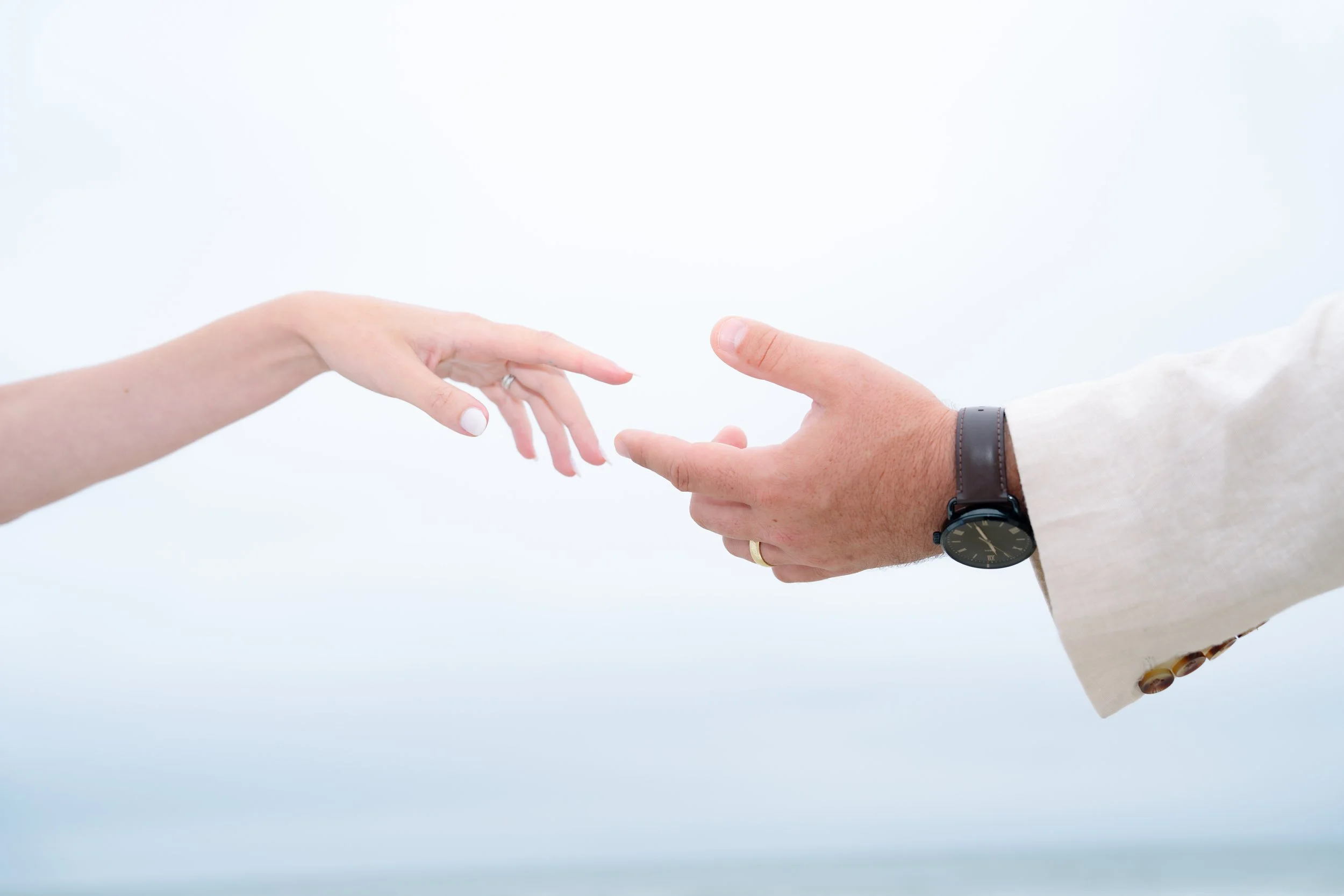
What Is Fine Art Photography?
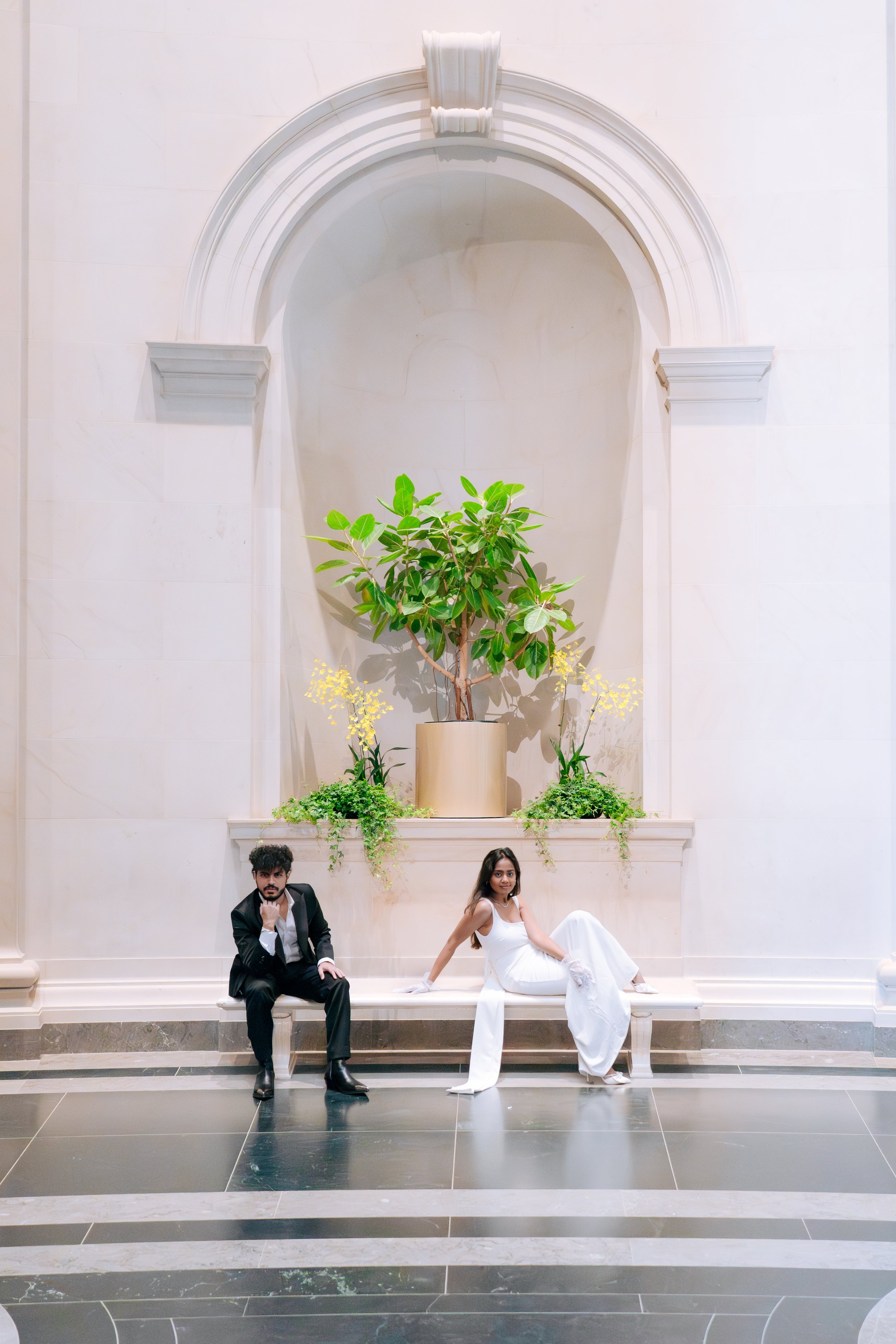
Elopement at the National Gallery of Art in Washington, D.C.
“Art implies control of reality, for reality itself possesses no sense of the aesthetic. Photography becomes art when certain controls are applied.” - Ansel Adams
Long before photography emerged as a practical method of preserving important events and even longer before it became a popularized art form, there was the painter. For generations, painting was heralded as the foremost art form in expressive, emotive, and interpretive versions of reality. At one point, only the most renowned visage was honored with a portrait painting and only the most notable scenes from history were immortalized in pigment and paste. Classical painters spent years training in the art of noticing, of eliciting emotion, in order to preserve history with artistic integrity. Their technical skill in color theory, composition, and light were monumentally impressive and undeniably the canvases from which photography borrowed both technical and artistic direction.
One of my favorite courses in college was art history. Learning about the trials endured by the old masters, the intense training they put themselves through, the standards of artistic rigor they faced, and still seeing how their work transcended time kept me locked into what felt like a fantasy. The compositional perfection of Raphael, mastery of light by Baroque icon Vermeer, and the flawless command of human form at the hand of da Vinci all deeply stirred me. Thanks to my broadening knowledge on the topic of art history, my own art took on new life. These painters, specifically those in the Renaissance, Baroque, and Neoclassical periods, gave us the foundation for the genre of fine art photography.
There exists a myriad of photographic categories each with their own subgroups. These various forms are all born from one another; certain styles endlessly inspiring new ones that grow in chutes from a common stalk. I’d like to discuss fine art photography in general, without its many subcategories, so as to avoid getting too deep into the weeds on a deeply personal and philosophical subject. This style of photography is what inspires me and illuminates the path of growth I aspire to take as an artist. I would like to show how it relates to and shapes both the approach to a wedding day and the look of your final gallery.
At its most simple definition, fine art photography conveys the vision, message, emotion, or idea of the photographer. The resulting photograph is how the artist views the reality in front of the lens. It is not simply a documentation of the scene, but it is a manipulation of that reality in the personal style of the photographer. In a fine art photograph, every part of the scene is curated and used in a way that supports the overall vision and composition of the story the artist is trying to tell. Every piece is intentional and used for its unique contribution to the feeling of the photo. Fine art photographers create an artistic interpretation of reality, one that invites you to take a dip in the wave pool of their mind.
Do not tremble at the word “curated”. This does not mean that we as photographers make a scene that inconveniences your experience or places our vision above your comfort. This curation happens in the mind and body of the photographer. We position ourselves and the camera to create an angle that creates compositional perfection without disturbing what’s happening in front of us. Fine art photography is by nature subtle, demure, and unobtrusive. It is the art of noticing and preserving with aesthetic standards and style. While we may guide you gently to place a hand here or turn to face a certain direction, our methods are often less intrusive and bulky than people may think.
Personally, I have always been in love with the concept of compositional minimalism and how negative space can be used to convey an array of emotions. It can evoke longing or invite safety, sentimentally portray scale and perspective, and even augment intimacy. I find photographs with perfectly aligned architecture, expertly placed subjects, and immaculate compositions that play with positive and negative space immensely satisfying to the eye. These works always fill me with unique feelings of inspiration and elevation that I find in nothing else.
Below are a few of my favorite wedding photographs taken in this style, constructed by harmonizing horizontal and vertical lines, visual narrative, and balance and tension.
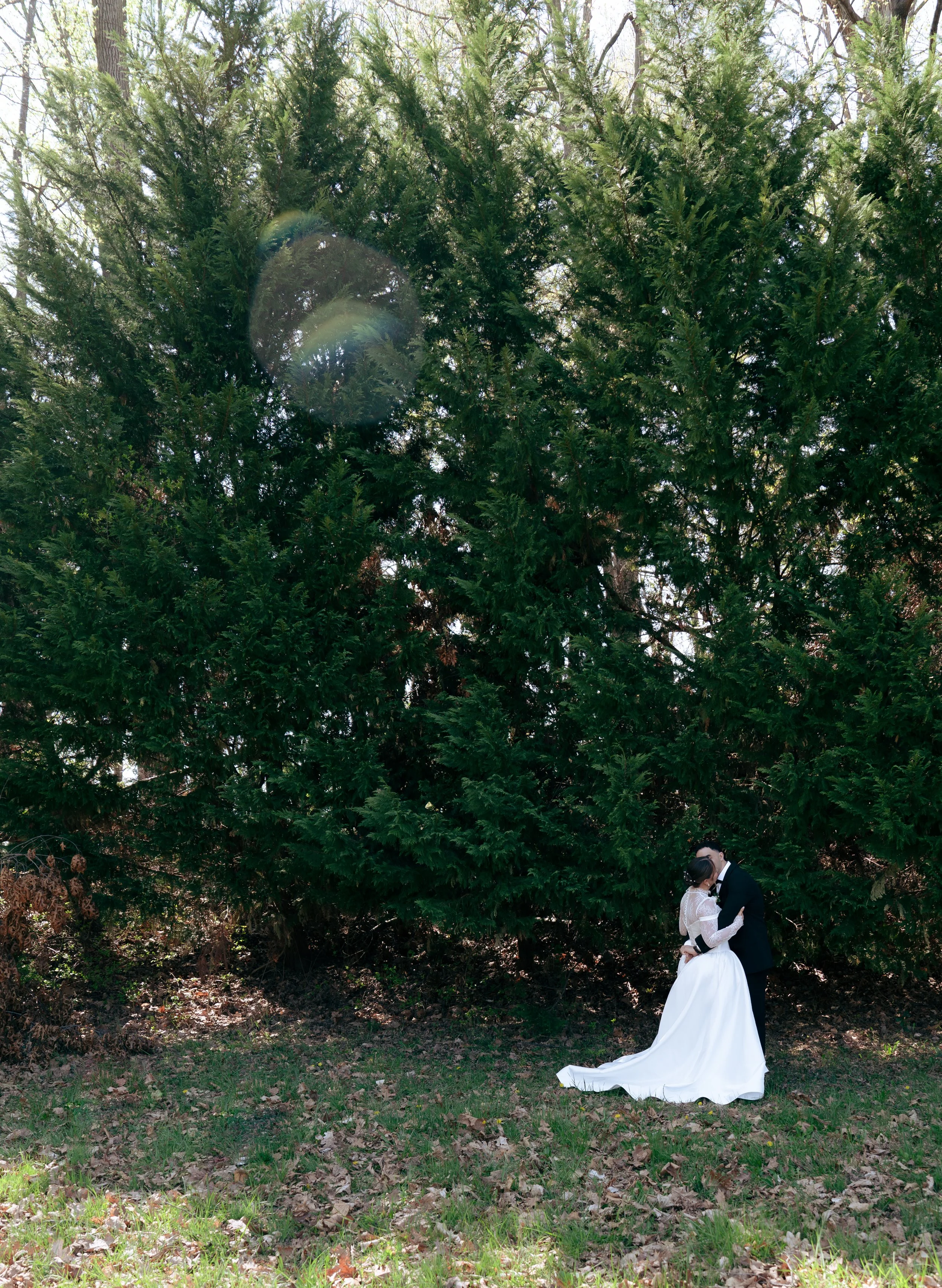
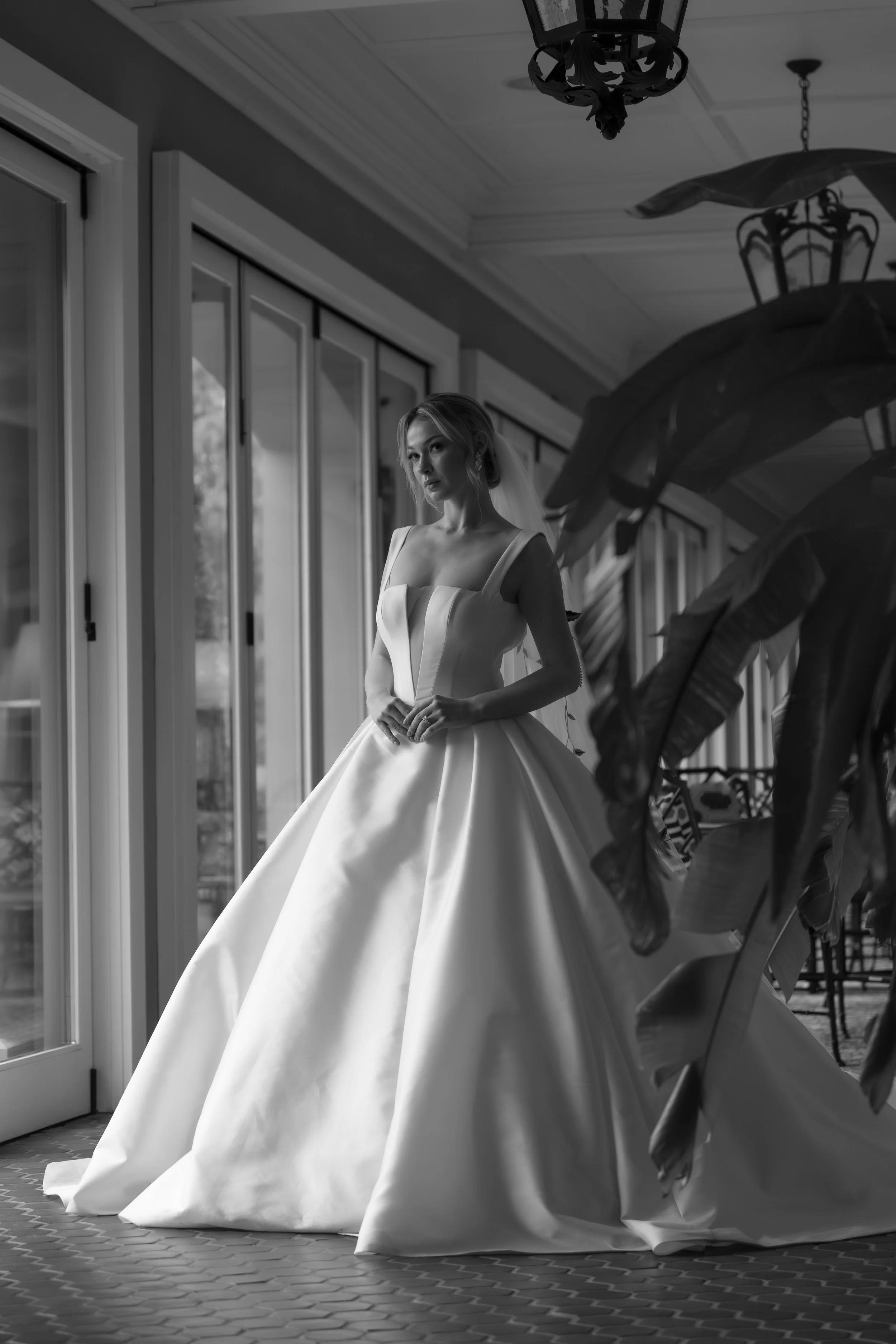
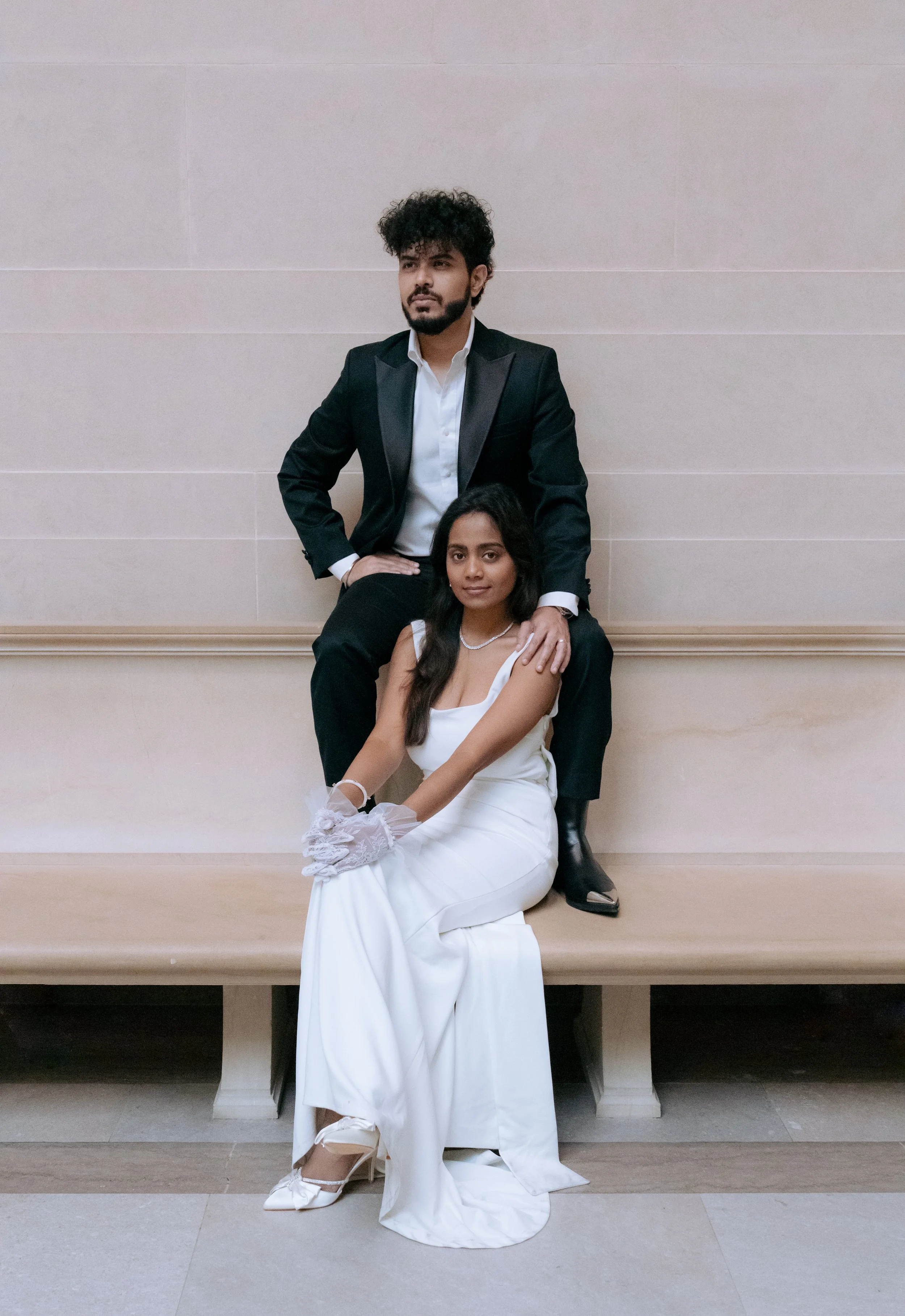
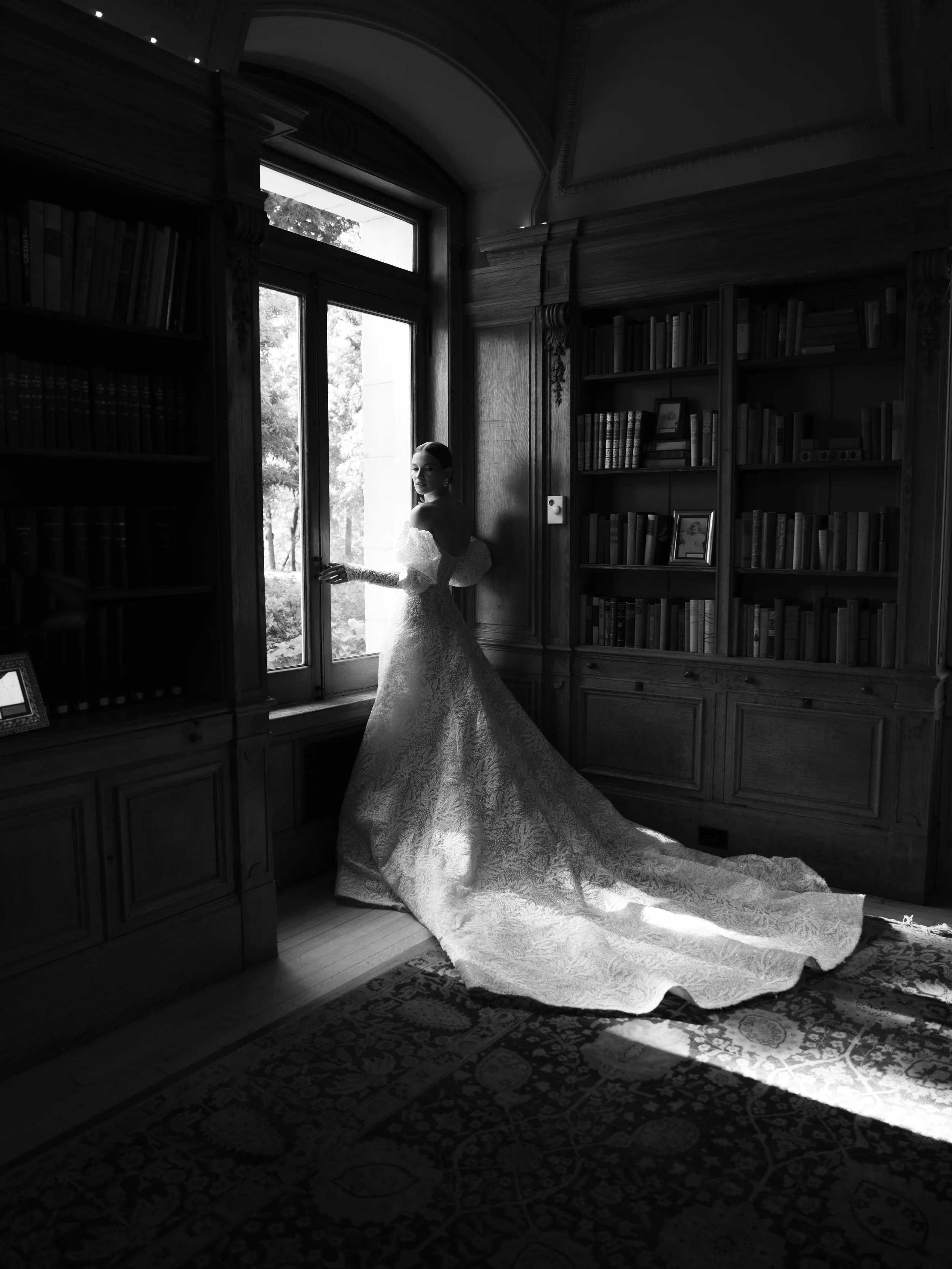
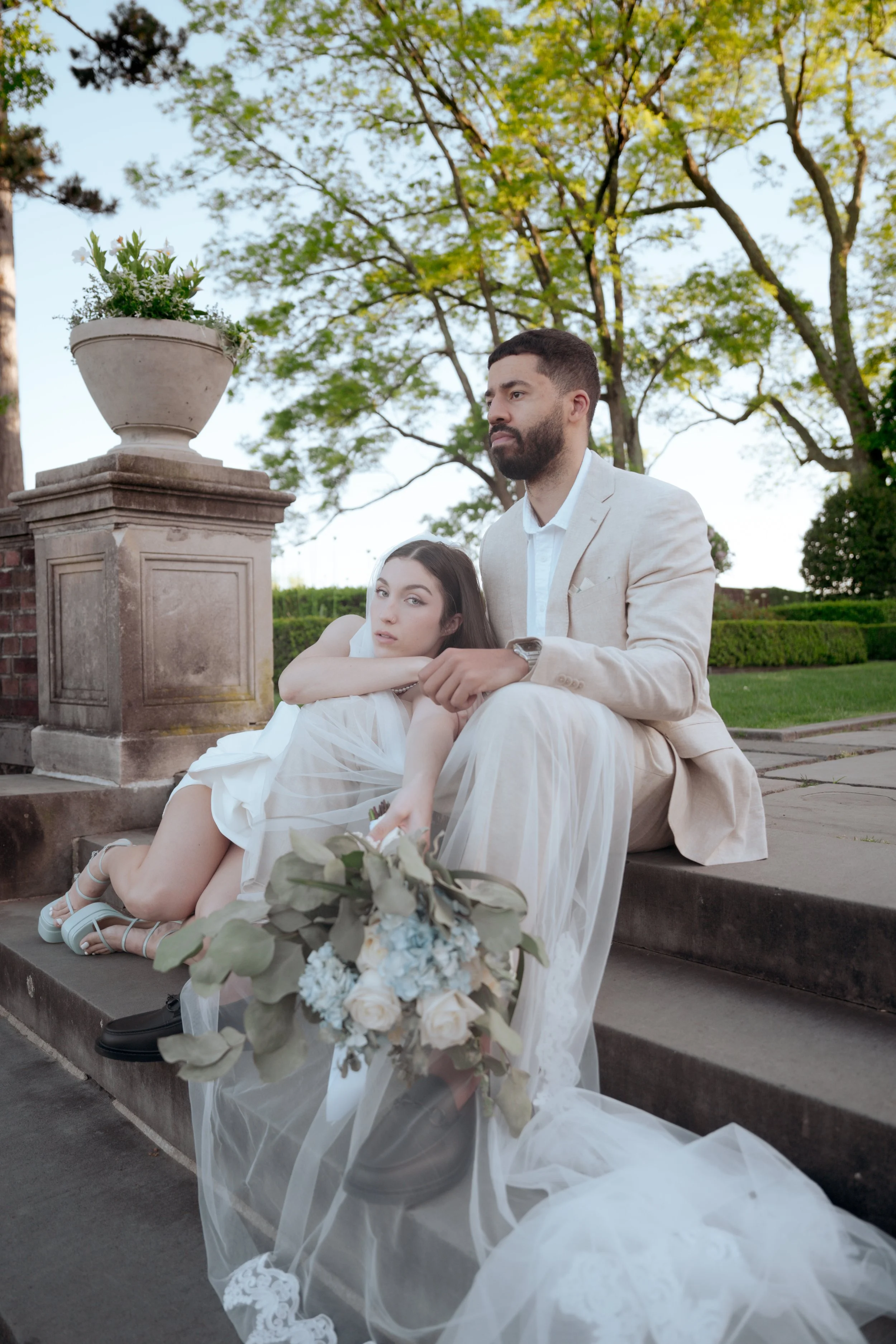
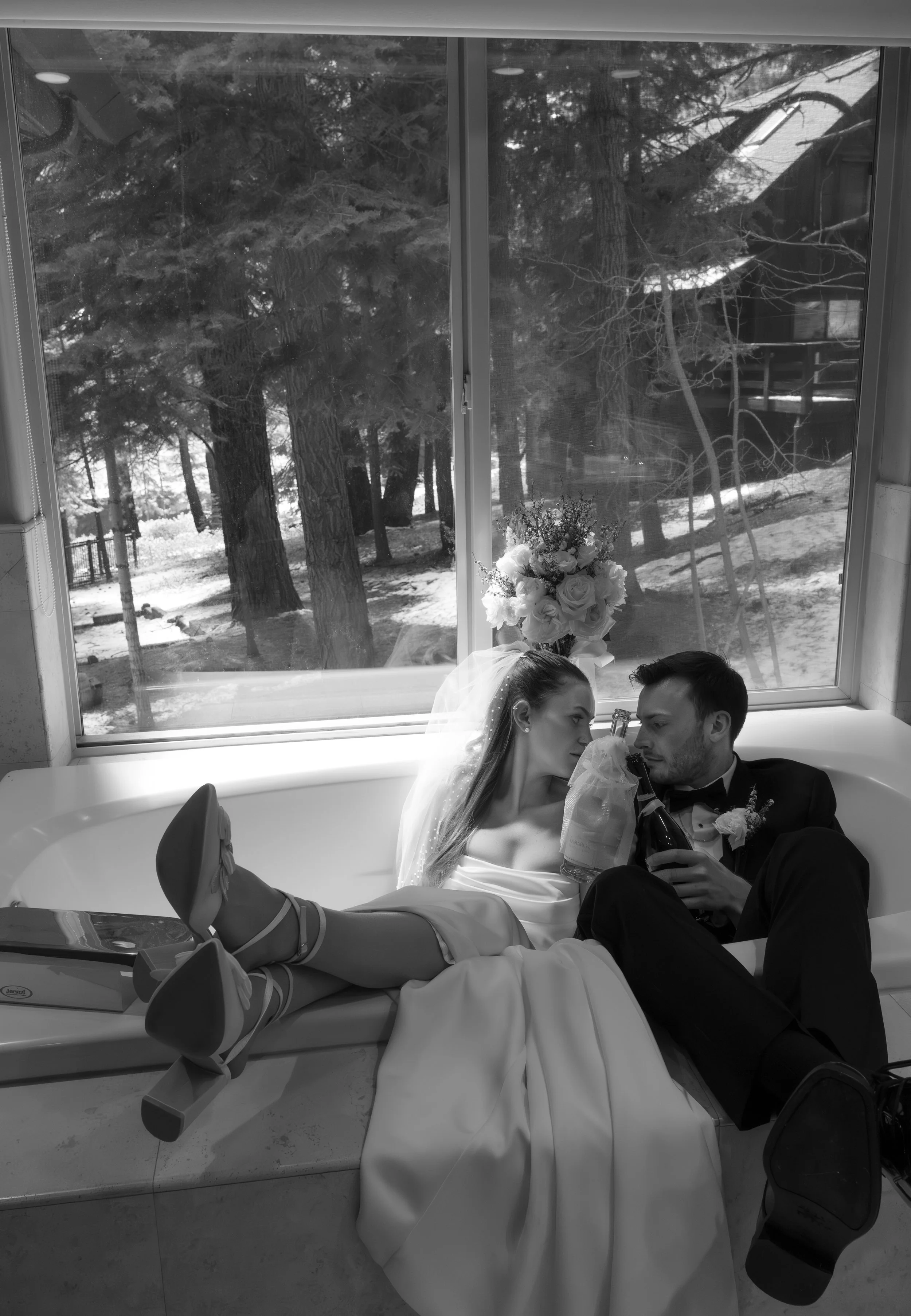
Walking into a wedding day with a fine art approach means leading with honesty and grace. Our objective is your comfort and ability to live in the experience, all while capturing you looking like your best. This approach favors simplicity and tradition. It manipulates the scenes around you to achieve an artistic vision that timelessly preserves how the day felt. It paints you in the most flattering light. In short, it makes you part of a living work of art. Your final gallery will feel highly intentional, curated in a way that tells a story only you can feel in your heart. Aligning with the warm memories of how it felt to be in the arms of your loved ones on the day you melded families. You will feel like you are looking at the world’s most sentimental fashion magazine. To me, fine art photography is about more than documenting your day; it is about helping you see yourself through the eyes of an artist.